Read about the Islamic arts and beauty in every aspect such as beauty of buildings, gardens, etc.

Architecture in Islamic Civilization

Written by Dr. Ragheb Elsergany Thursday, 17 June 2010
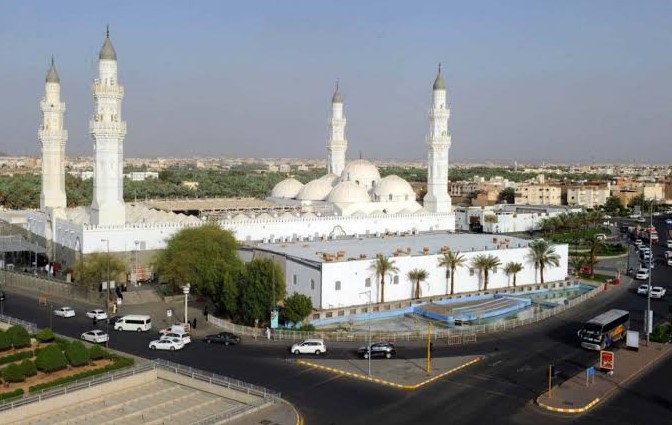
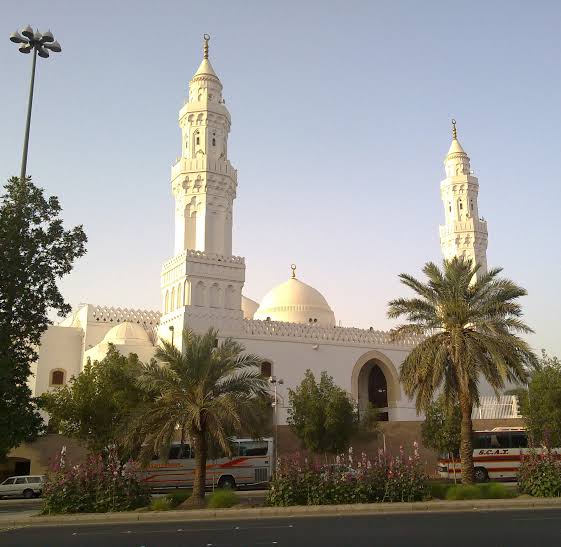
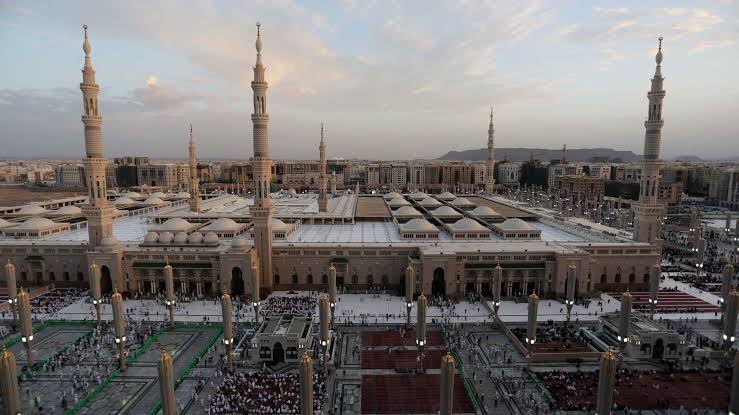
Architecture is one of the arts pigmented with an Islamic style and which set the Islamic civilization above others. Muslim engineers were professional architects and had several influences on the field of techniques in Islamic architecture and were the first to introduce new structures like domes, columns, arches, dams and barrages. Each of these innovations had its own feature that reflected the greatness of Islamic civilization.               
 

Islam’s care for outer beauty of man

Written by Dr. Ragheb Elsergany Sunday, 02 January 2011
Allah created man in the best shape and form, advised him to adorn internally and externally. Cleanliness and purity and taking care of them are two of the best aspects of the Islamic civilization.
   

Beauty of names and titles in Islamic civilization

Written by Dr. Ragheb Elsergany Sunday, 02 January 2011
Islamic civilization came to existence with totally aesthetic aspects involving even small life details such as names and titles. The Prophet (pbuh) was keen on changing the names of some companions after they converted to Islam.
 

Cordoba…Geographical Location and History

Written by Dr. Ragheb Elsergany Sunday, 02 January 2011
Cordoba is located on the al Wadi al Kabir River or Guadalquivir River, southern Spain. Cordoba was established by Carthaginians and conquered by Tariq Ibn Ziyad. Cordoba was the mecca of knowledge and scholars during the Andalusia Caliph Abdul Rahman an-Nasser.                
   

Humane beauty in smiling, cheerfulness of the face and kind words

Written by Dr. Ragheb Elsergany Sunday, 02 January 2011
The first step on the road to the heart is smile, cheerfulness of the face, and dissemination of love, goodness and compassion among people without discrimination
 

Islam’s care for beauty of dress

Written by Dr. Ragheb Elsergany Sunday, 02 January 2011
slam has taken care of what should be dressed. Nice and clean clothing positively reflects on those wearing it and those living nearby and even on those who see the one properly dressed even though they do not know him.When the Noble Qur'an talked about bless of the dress, it said it covers the shameful parts of the body and is used as adornment. Man’s nature was designed to cover the shameful parts of the body unlike animals and birds. This nature is in itself something nice and necessary. When Adam and his wife ate from the tree, their shameful parts of their bodies were exposed to them.
   

Spread of gardens in Islamic civilization

Written by Dr. Ragheb Elsergany Thursday, 30 December 2010
The Holy Quran and Sunnah are replete with marvelous features of the ideal environment in which Muslim should live. Fabulous gardens in Al-Andalus, Turkey, the Levant (greater Syria), Persia, Egypt and the Levant, Egypt in Al-Fustat and Al-Qata'e and Baghdad in Iraq  
 

Aesthetics of writing titles in Islamic civilization

Written by Dr. Ragheb Elsergany Sunday, 02 January 2011
We can find out that Islamic civilization scholars have a unique sense of aesthetics that has never been obtained by any civilization. Key aesthetic aspects are the beauty of titles of writings as most scholars were interested in verbal beauty based on musical rhyme, and in the aesthetic image of titles.
   

Cordoba…Progress and Civilization 

Written by Dr. Ragheb Elsergany Sunday, 02 January 2011
One of those civilizational aspects is the Cordoba Arcade, the Great Mosque of Cordoba and Cordoba University. Each has its unique description and history emphasizing the greatness of the Muslim civilization.           
 

Art of ornamentation in Islamic civilization

Written by Islamstory Wednesday, 21 July 2010
The Muslim artist inclined towards fresh worlds other than the drawing of people and imitation of nature, where he elegantly showed his genius and creativity and used his imagination. Ornamentation was one of such worlds. It was a manifestation of Islamic renaissance, with Muslims having excelled in floral and geometric decoration, together with other amazing shapes.
   

Humane beauty in good manners

Written by Dr. Ragheb Elsergany Sunday, 02 January 2011
Good manners (or good disposition) are the meaning the humans had sought; sometimes called it 'utopia' and some others 'humanity', even though the Western 'humanity' term is synonymous with the Islamic rahmah (i.e. 'mercy') term. And 'mercy' is part of good manners. Islam urges people to have good manners to the extent that the purpose of the message of Islam is to achieve good manners.
 

Islam’s care for environment, streets and cities

Written by Dr. Ragheb Elsergany Sunday, 02 January 2011
Islam has been keen on the construction of earth and made it nice to have a clean environment. It also urged people to clear away obstacles from the street and made it one of the things that atone for sins.
   

Cordoba…A modern city

Written by Dr. Ragheb Elsergany Sunday, 02 January 2011
Cordoba a modern city that rivals world cities of the Third millennium! No surprise, given the city was full of schools and libraries everywhere, in addition to its administrative advancement and pioneering governing systems.            
 

Arabic calligraphy in Islamic civilization

Written by Dr. Ragheb Elsergany Sunday, 25 July 2010
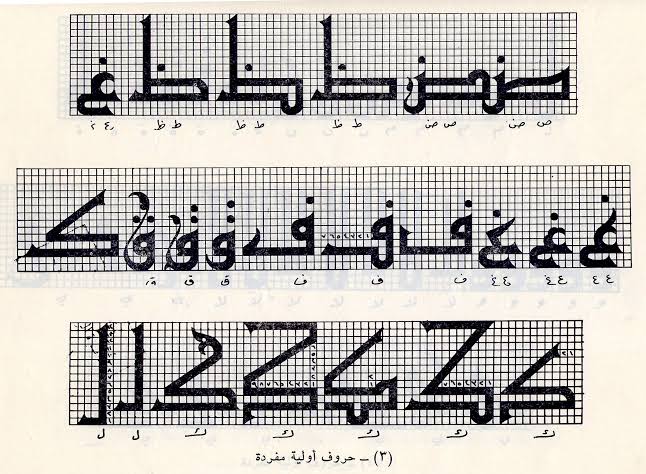
Arabic calligraphy is a purely Islamic art. It is the making of Islamic religion, and closely associated with the Holy Qur'an. The word had never been a visible art before the descending of the Holy Qur'an. The fact that there are diverse and many types of calligraphy, including Kufic, Naskh (the ordinary cursive Arabic script), Riqa (a cursive style of calligraphy) and Andalusi scripts, unequivocally shows how much Muslims were interested in this deep-rooted art.
   

Islamic gardens…characteristics and qualities

Written by Dr. Ragheb Elsergany Thursday, 30 December 2010
Gardens in Islamic civilization were marked by several characteristics and qualities, chiefly the Quranic and Prophetic inspiration for the description of Paradise even in such minute details as trees, water and couches, and then the paradisiacal view that created a trend in Islamic civilization that pursued elegance in designing gardens.
 

Scientific inventions in Islamic civilization.. Beauty and creativity

Written by Dr. Ragheb Elsergany Wednesday, 28 July 2010
Islamic civilization scientists created a number of complicated mechanical inventions. They did not content themselves with merely creating those inventions, but added to them an aesthetic dimension, which is no less important than the tool itself. With their inventions, such as clocks, robot and automatic Quran holder, Muslim scientists proceeded the whole world.
   

Fountains in Islamic gardens

Written by Dr. Ragheb Elsergany Thursday, 30 December 2010
Fountains in Islamic gardens constitute part of skills of Muslim farmers, engineers and artists in the use of water in gardens. Water was used in the form of water surfaces shaded by trees, or in the form of fountains, which mushroomed in Islamic cities like Andalusia and Muslim Balkan countries.
 

Examples of etiquette in Islam

Written by Dr. Ragheb Elsergany Sunday, 02 January 2011
Etiquette represents the ethics of dealing with people. It is internal and external. It has many aspects that the messenger of Allah urged us to follow, including the ethics of walking and talking.
   

Moral etiquette of the humane ethical beauty

Written by Dr. Ragheb Elsergany Sunday, 02 January 2011
Etiquette is the fine art of relationship with the others. The aspects of moral etiquette in the Islamic civilization are many, such as not to hurt the feelings of the others, respect of the elderly and show mercy to the young
 

Cordoba in the eyes of scientists and men-of-letter 

Written by Dr. Ragheb Elsergany Sunday, 02 January 2011
Cordoba the sublime Islamic city with civilization and modernity…this feeling is embodied in scientists' and men-of-letter description of the City of Cordoba. They were fascinated with its greatness and used to exalt its rank in the history of human civilization.
   

Page 1 of 3